After hours 24/7 Emergency service
Call the experts
After hours 24/7 Emergency service
Call the experts

Based in the BOP and offering services throughout the North Island

Liquid Waste Removal Specialists

Petes Septic

Over 40 years' experience

Reliable septic tank emptying, cleaning and waste disposal for homes, lifestyle blocks, rural properties and commercial sites. At Petes Takeaways, we make septic tank emptying simple, safe and professional.

Our team will empty your septic tank, dispose of waste correctly, and provide practical advice if we notice any potential issues.

To help avoid surprises, this page outlines what is included in a standard septic tank empty, what is not included, and what we require from you before we arrive.

Before you book your
Septic Tank Empty

A standard septic tank empty includes
  • Opening and pumping out the septic tank where safe and accessible, during standard business hours.
  • Removing and disposal of septic waste, up to 4000 litres.
  • A standard hose run of up to 30 metres.
  • Filter cleaning, if the filter is safe and accessible and no digging is required to access it.
  • Basic tidy-up around the tank area.
  • General observations from our operator, such as damaged lids, heavy solids, unusual waste or possible blockage issues.

A standard septic tank empty does not include

  • Locating unknown tanks.
  • Digging lids deeper than 800mm from finished ground level.
  • Repairs to lids, plumbing, drainlaying, electrical, alarm or pump repairs.
  • Filter replacement or full treatment system servicing unless arranged.
  • Cutting through concrete, paving, tarseal, decking or structures.
  • Repairing damaged lids or repair of pre-existing damage.
  • Council reporting, waste water WOF inspections or compliance work unless arranged separately.
  • Drain unblocking /confined space entry / machine excavati n.
  • Full reinstatement of soil or turf.

Customer Preparation Checklist

Before we arrive

To help us complete your septic tank service safely and efficiently, please advise us if:

  • The tank or lid location is unknown.
  • The lid is buried, deep, or covered by gardens, concrete, decking, or other structures.
  • Truck access is limited or parking is a distance from the tank.
  • Access is restricted (e.g. gates, dogs, parked vehicles, narrow driveways, soft ground, steep access, or bridges).
  • Special access is required (keys, codes, etc).
  • The system includes pumps, alarms, filters, multiple tanks, or chambers.
  • There are known underground services near the tank (water, power, fibre, irrigation, drainage).
  • The system is overflowing, blocked, backing up, or urgent.

On the day

Please also help us by:

  • Exposing the lid where possible.
  • Keeping gates unlocked and access clear.
  • Moving vehicles away from the work area.
  • Securing dogs and keeping children clear.
  • Providing a working hose if available.
Additional charges may apply if:
  • Extra digging, extra hose length, labour, or time is required.
  • The truck cannot safely access the tank.
  • The main lid cannot be accessed, is damaged, fragile, or unsafe to lift.
  • Hoses must run through buildings or finished areas (decks, patios, etc).
  • The tank contains excessive solids or unsuita ble waste (e.g. wipes, grease, grit, foreign objects).
  • The job cannot be completed due to access, safety, or incorrect booking information.
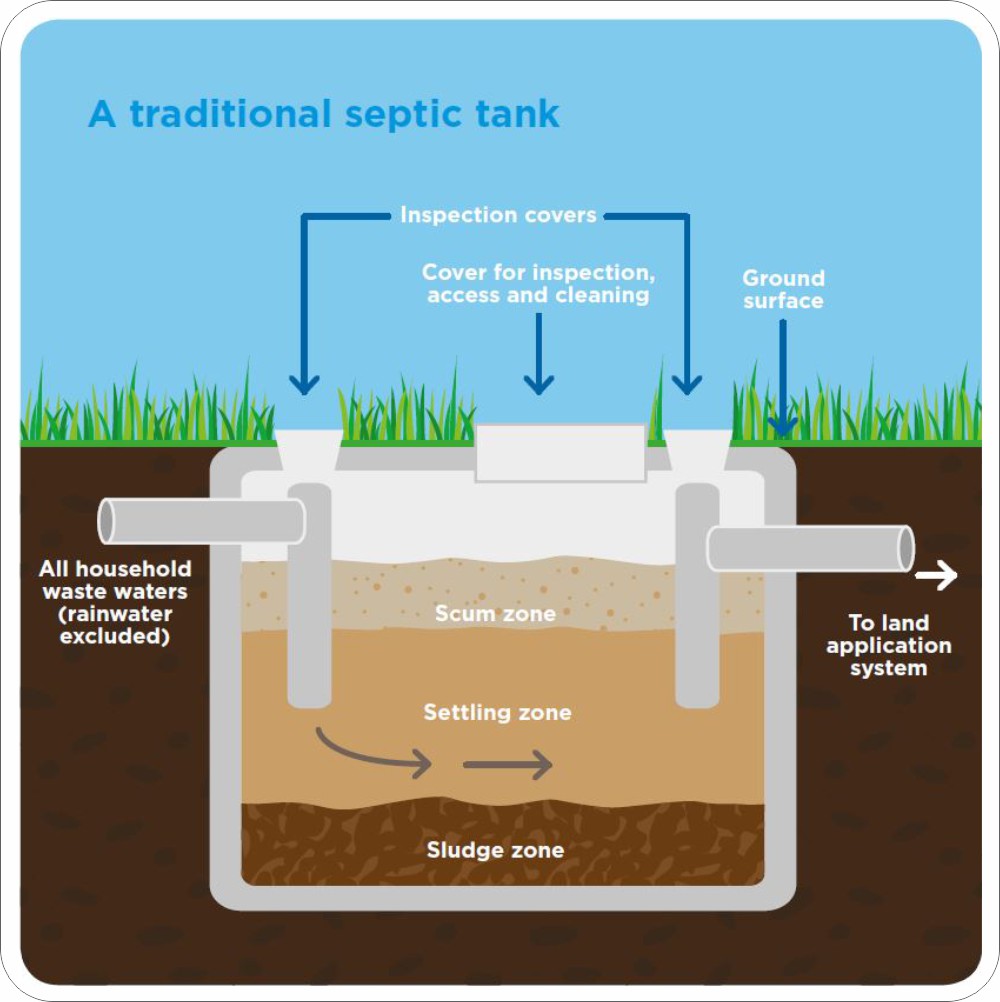
Septic Tank Care.
Diagramme courtesy of BOP Regional Council

Where the main lid cannot be accessed, we may be able to empty the tank through a mushroom vent. This method is less effective, may take longer, and may increase the risk of damage to the vent.

Please note: Additional charges may apply, and we cannot accept responsibility for damage associated with limited-access emptying methods.

Septic tank access, lids and system information

Septic tanks and services are often buried underground, and not all pipes, cables or drainage lines are visible before work begins.

Please tell us before arrival if there are known water, irrigation, electrical, fibre or drainage services near the tank area. While we take reasonable care when locating and accessing tanks, we cannot accept responsibility for damage to unidentified or hidden underground services.

For the best result, we usually need access to the main septic tank lid to properly empty and clean the tank. Please let us know if:

  • The lid is buried, unknown, damaged, rusted or unsafe
  • The lid is under concrete, tarseal or decking
  • The system has multiple lids or chambers
  • Access is only available through a mushroom vent

Older or fragile lids may suffer minor unavoidable damage during opening despite reasonable care. Where practical, we may be able to install a simple chain or handle arrangement for easier future access, which may incur additional charges.

Looking after your Septic System
As a general guide, most household septic tanks should be emptied every 3-4 years, depending on tank size, household size, water usage, system condition, and whether the system includes filters, pumps or modern treatment components.

If your system is overflowing, backing up, draining slowly, producing strong smells or causing wet patches around the disposal area, contact us as soon as possible.

Maintenance matters
Regular maintenance is essential for the performance and lifespan of your septic system. This includes scheduled emptying and, where applicable, servicing of pumps, filters and other system components.

To help protect your system, please avoid putting the following into drains or toilets:
  • Wet wipes, sanitary products, nappies, paper towels or rags
  • Grease, cooking oil, coffee grounds or food scraps
  • Paint, solvents, harsh chemicals or excessive bleach
  • Gravel, sand or building waste
Septic systems are designed for normal household wastewater only. Inappropriate materials can cause blockages, build-up of solids, system damage, and additional emptying or disposal costs.

Blockages

Blockages in a septic system usually indicate that maintenance or repairs are required. They can occur between the house and septic tank, or between the septic tank and the soakage (disposal) area.

Between the house and septic tank

Common causes include a blocked gully trap or the scum layer in the septic tank blocking the inlet pipe.

Try clearing minor blockages using a plunger or drainage rod. If the issue continues, contact a plumber or drainlayer. If the inlet is being blocked by tank build-up, the system will likely need to be pumped out.

Between the septic tank and soakage area

Common causes include lack of maintenance, system wear, or damage, such as:

  • Blocked outlet or baffle: Often due to deterioration in older systems. The tank may need pumping and baffle repair or replacement.
  • Blocked or damaged pipework: Solids passing through the tank or broken pipes may obstruct the line to the soakage area. Pump-out and inspection/repair is recommended.
  • Clogged soakage area: Over time, soil absorption areas can become saturated or clogged. Some systems allow alternating lines, ideally switched during warmer months to allow recovery.
  • Seepage or wet ground: Often caused by an undersized soakage area or long-term saturation/blockage.

If you are experiencing ongoing issues, we recommend arranging a pump-out and inspection so the system condition can be assessed properly.
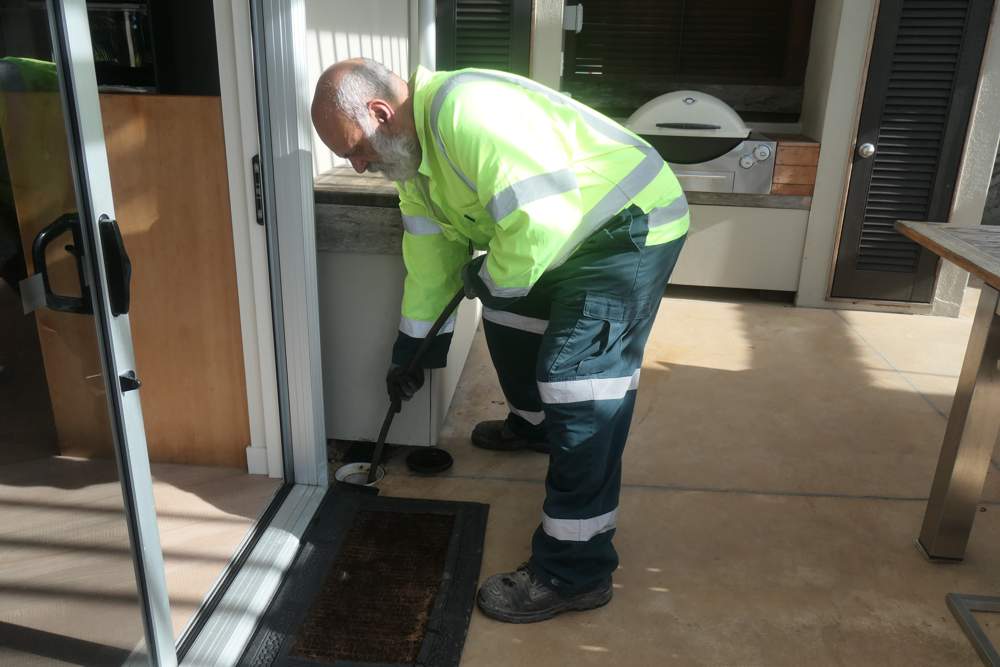
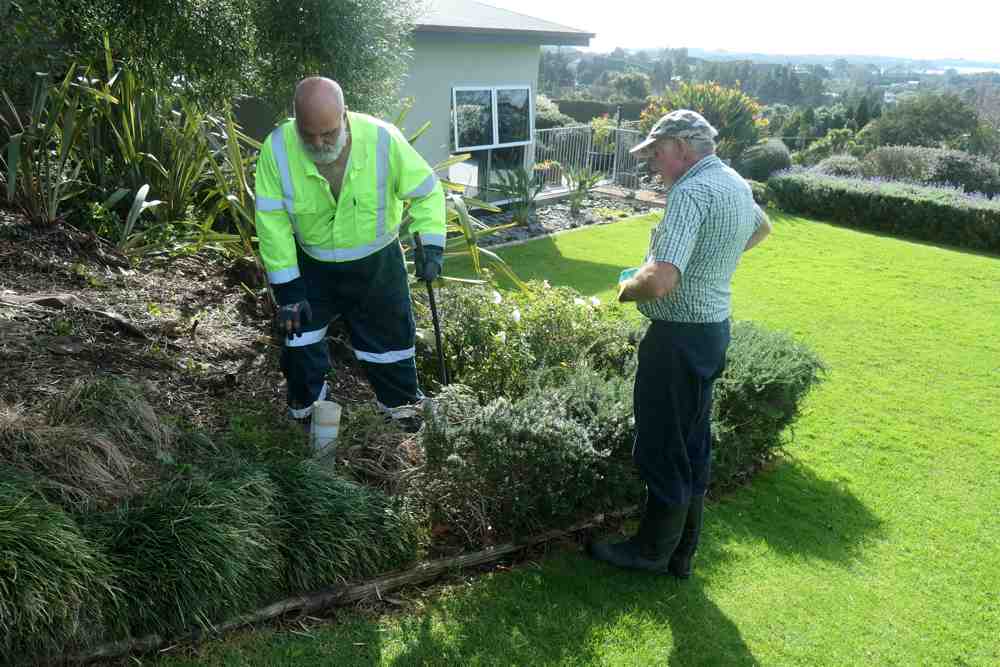
Unblocking of drains, pipes and gully traps at Petes Takeaways

Download more information on
Maintaining your Septic Tank.
(Courtesy of Environment Bay of Plenty)

Unblocking of drains, pipes and gully traps at Petes Takeaways

Download more information on
Maintaining your Septic Tank.
(Courtesy of Environment Bay of Plenty)